

Iran crisis: Price volatility, macro impact seen on India
Any attack on oil and gas production facilities of other major Middle East producers would further aggravate supply concerns
Iran crisis: Price volatility, macro impact seen on India
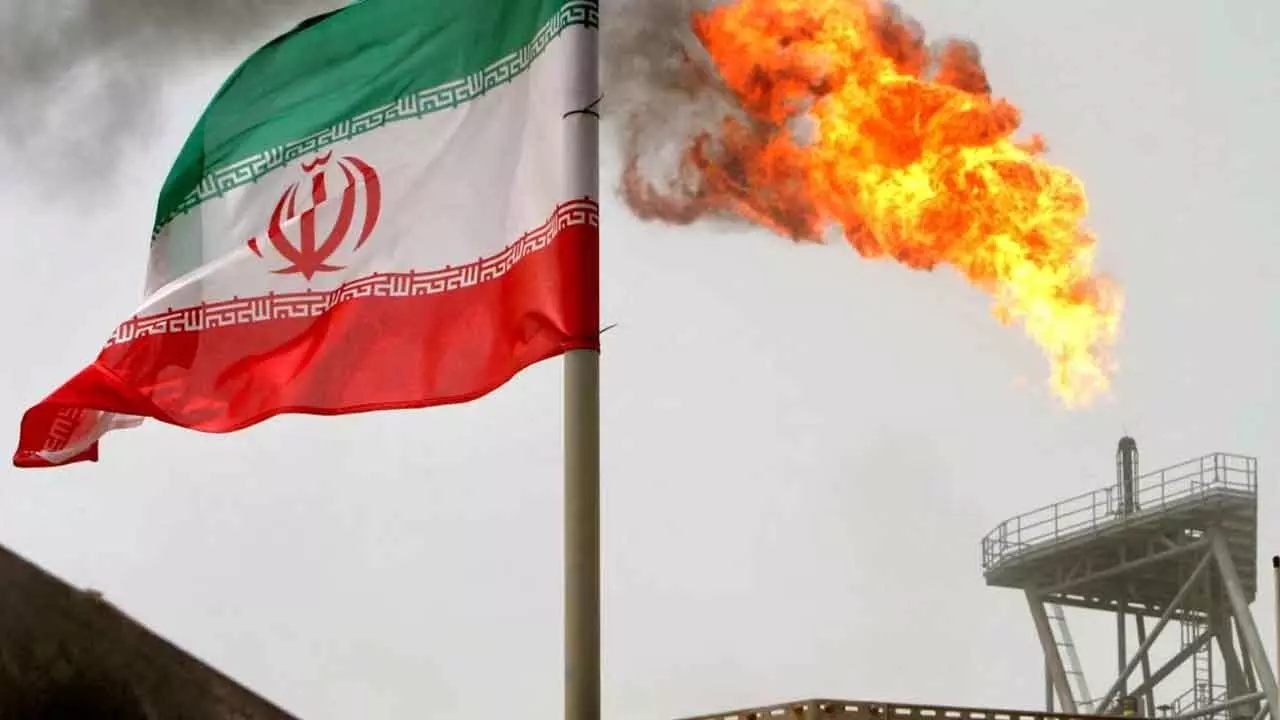
India is expected to face oil price volatility and broader macroeconomic effects from the escalating Iran crisis, analysts said, adding the country’s oil supply chain does not yet face structural insecurity.
Rising tensions around the Strait of Hormuz - through which a significant share of India’s crude and LNG imports transit - have already pushed Brent crude prices toward a seven-month high of USD 73 per barrel, adding a geopolitical risk premium to global energy markets and heightening inflation and current account pressures, even as physical supply disruption remains unlikely in the near term.
“In the current escalation scenario, the initial impact is likely to be price-driven rather than volume-driven. A geopolitical risk premium would lift Brent prices, alongside increases in freight rates and war-risk insurance costs,” said Sumit Ritolia, Lead Research Analyst, Refining and Modelling at commodity market analytic firm Kpler.
Even in the absence of physical shortages, landed crude costs for Indian refiners would move higher. For India, this translates into higher import bills and potential macro pressures, while physical availability may remain intact in the near term, he said.
Aditi Nayar, Chief Economist at ICRA, said the situation in West Asia is unfolding, and the extent to which it prolongs and widens would have a bearing on India’s macros, including things like the impact of fuel prices on inflation and the twin deficits, as well as remittances.
Prashant Vasisht, Senior Vice President and Co-Group Head, Corporate Ratings, ICRA Ltd, said, “The escalating conflict in the Middle East and reported attacks on several oil producers are likely to exacerbate volatility in crude oil prices.”
The Strait of Hormuz remains a critical global energy choke point, with nearly 20 per cent of global petroleum liquids and 20 per cent of global liquefied natural gas (LNG) shipments transiting through the route.
As Iran and several Middle East energy producers straddle the Strait of Hormuz, any escalation in regional conflict could impede energy shipments through this corridor, he said.
“Any attack on oil and gas production facilities of other major Middle East producers would further aggravate supply concerns. Crude oil prices have already increased from approximately USD 65 per barrel to USD 72-73 per barrel over the past few days, reflecting the build-up of geopolitical tensions in the region,” he said.
“A prolonged and/or widening conflict involving multiple oil and gas producers and disruption at the Strait of Hormuz could adversely impact global crude oil and LNG supplies, potentially leading to a further rise in global energy prices,” he said.
Kpler vessel tracking data showed that 2.5-2.7 million barrels per day, or about 50 per cent of India’s crude imports, transit the Strait of Hormuz, largely sourced from Iraq, Saudi Arabia, the UAE and Kuwait.





